System Reserved Hard Drive
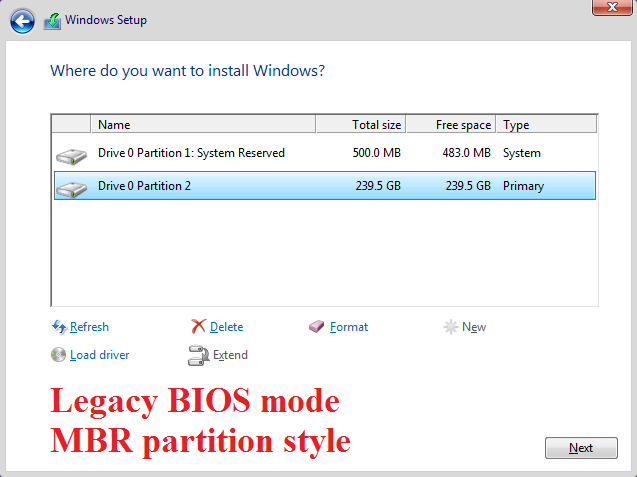
It's unlikely for most of the computer users to notice a non-drive letter assigned partition called 'system reserved' until they open Disk Management under Windows 7, 8 or 10. Recently, some people ask a common question about the system reserved partition to confirm whether it can be just removed, as for it takes up quite a lot of disk space. Albeit it is of great importance in booting up Windows, yes you can learn a safe way to delete system reserved partition by using a reliable and powerful.System reserved partition is created during the clean installation process of Windows operating system when you partition the computer hard drive. It starts from Windows 7 consuming 100 MB space, and continues to use on Windows 8 and Windows 10 but consuming more space which is 350 MB.
How To Remove System Reserved Hard Drive
Windows system reserved partition contains the Windows boot manager and boot configuration data, so it is very related to booting Windows from your system drive. But if you don't want this partition on your drive, you can just delete it by following the guide below by backing up the partition to a USB drive and then delete it. Analogue drums rockstock torrent pdf.
Apr 15, 2016 When you install Windows 10 or Windows 8/7 on a clean formatted disk, it first creates a partition on the disk at the beginning of the hard disk. This partition is called the System Reserved. Under My Computer below Hard Disc Drives it shows System Reserved (C:) with 100MB total size, Local Disc (D:) and Local Disc (E:) both with 465GB total size. What is this System Reserved (C:) about and how can I change it back to just two hard drives? The problem is with installing some software.
Windows 10 is supported Safely delete system reserved partition on all Windows platformsThe truth is that you can't directly delete the system reserved partition under Windows 7,8 or 10 disk management since it contains system stuff. In this case, you need the help of the best Windows disk management alternative - EaseUS Partition Master.For a safe removal of the critical partition, first you should copy the partition as a backup to an empty USB drive, and then start to empty the data inside and delete the partition. Follow the steps below. Copy partition.
Share. LinkedIn. Facebook. Twitter1When you install Windows 10 or Windows 8/7 on a clean formatted disk, it first creates a partition on the disk at the beginning of the hard disk.
This partition is called the System Reserved Partition. Thereafter it use the balance unallocated disk space to create you system drive and install the operating system.When you open the Computer folder, you will not see the System Reserved Partition as it is not assigned a disk letter. You will only see the System Drive or the C Drive. To see the System Reserved Partition, you will have to open Disk Management.In Windows 8.1, open the WinX Manu and click on Disk Management.
Once the data is populated, you will be able to see the System Reserved Partition. You can also access it via Computer Management. What is System Reserved PartitionThe System Reserved Partition holds the Boot Configuration Database, Boot Manager Code, Windows Recovery Environment and reserves space for the startup files which may be required by BitLocker, in case you use the BitLocker Drive Encryption feature.It is created during a clean fresh installation of Windows 8, Windows 7, Windows Server 2012 and Windows Server 2008.If you wish to view the contents of this partition, you will have to first give this partition a Drive Letter, using Disk Management. Next open Folder Options and allow showing of hidden files, folders, and drives option, as well as protected operating system files. Once you have done this, open your File Explorer to view the partition and the files it contains.
You may see files like bootmgr, BOOTNXT, BOOTSECT.bak and folders like Boot, Recovery, System Volume Information, $RECYCLE BIN, etc. Can I delete the System Reserved PartitionOn Windows 7, the size is 100 MB whereas on Windows 8, it is 350 MB. Do you really need this space? I would recommend that you not delete this partition. You can instead prevent it being created during Windows installation.
If you are sure that you will not be using BitLocker, then you may go ahead.To do this, recomends you use the Diskpart utility from the setup program.At the beginning of the Windows setup, just before you select the location where you want to install Windows, press Shift+F10 to open a Command Prompt. Type diskpart to enter the Diskpart environment. Use select disk 0 and create partition primary to manually create a new partition.
Continue with the Windows installation using this new partition as the setup location.